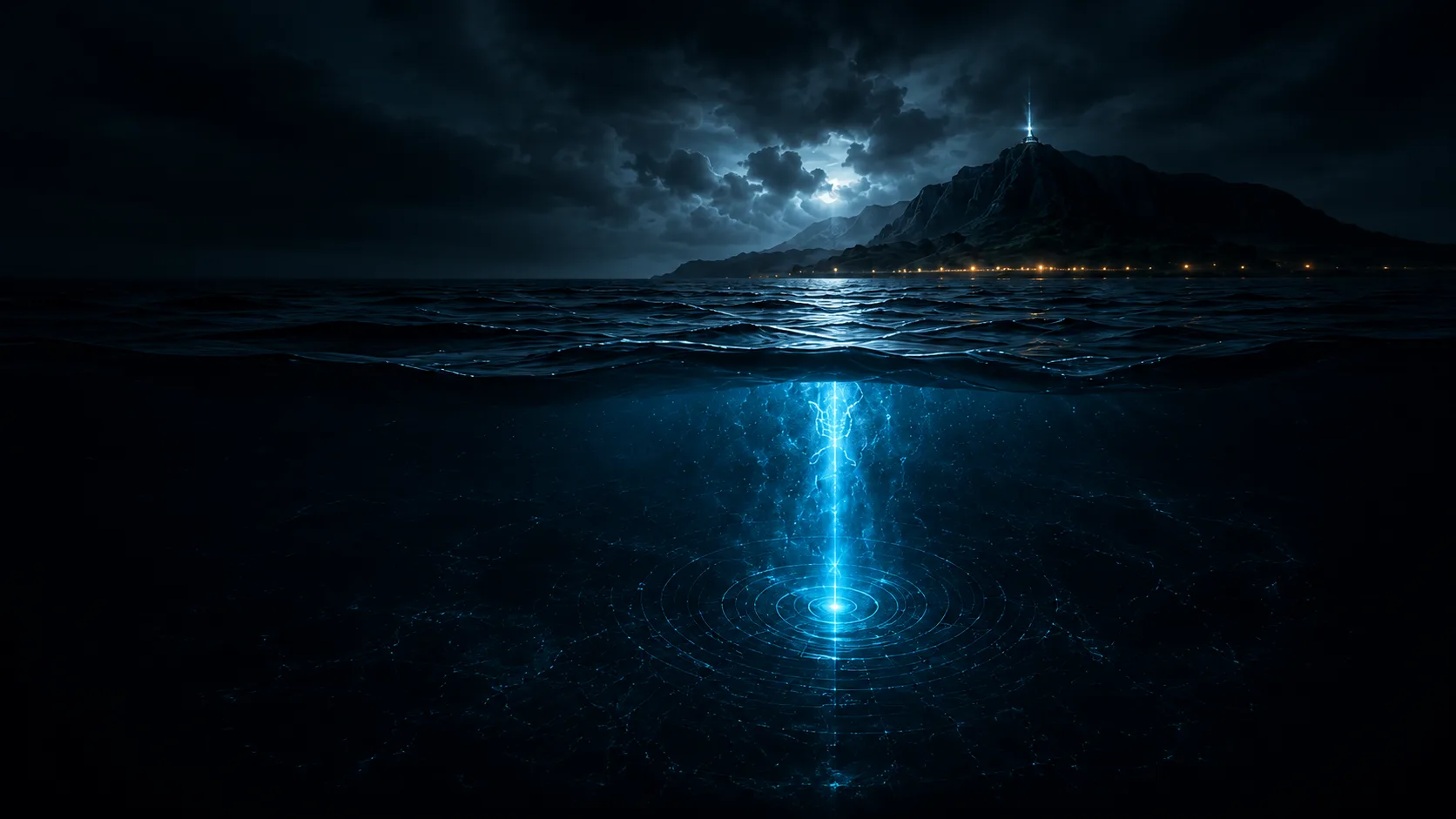
A novel by Ray Culver
H2ONU
The Story
The photograph arrives before the call.
Malia is alive. For now.
Oʻahu has gone dark. Phones dead. Streetlights out. The hum of the island swallowed by the Pacific night. And somewhere past the last lights of Honolulu, the only working H2ONU prototype is no longer where it should be.
A machine that runs on water. Powerful enough to end the age of oil. Dangerous enough that governments, spies, corporations, and old dynasties are already moving to take it.
Ray Hershey has one night to reach the woman he loves — before the people hunting H2ONU decide she is worth more as leverage than alive.
No power. No police. No time. Only a pattern he cannot outrun — and the sickening certainty that tonight did not begin tonight. It began years ago. With fire. With prophecy. With September 11.
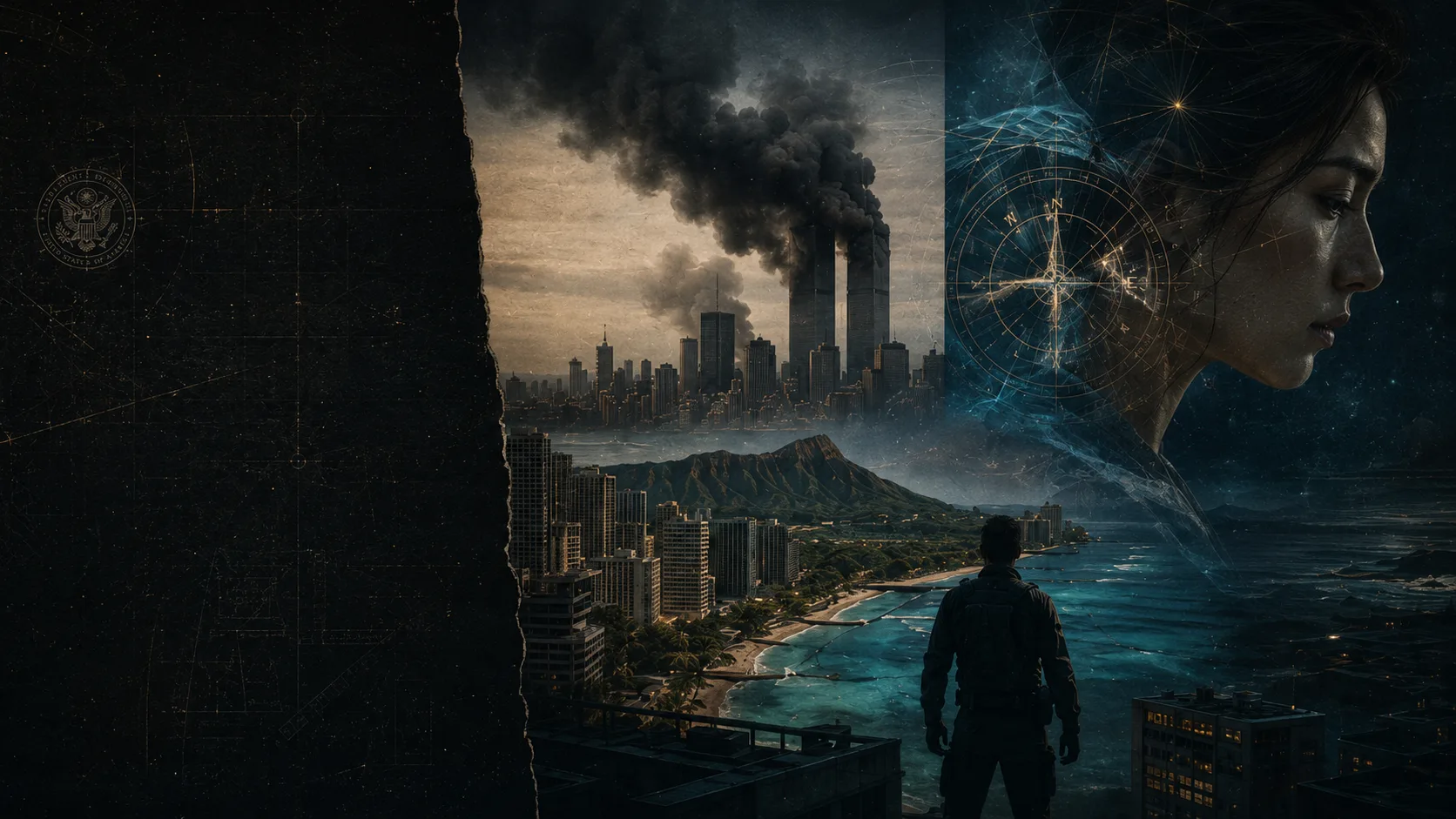
September 11 broke the life
Ray Hershey thought he was building.
Before the towers fell, Ray could see the future: a career, a home, the woman he believed he would marry, and a life far from the poverty that shaped him. Then the economy buckled, the offers vanished, and the woman he had built his life around walked away.
So he rebuilt himself — slowly, angrily, imperfectly. He studied law, power, consequence, and the strange mathematics of free will. He thought he was learning to survive without being destroyed by love again. Then Hawaiʻi happened.

Malia asked God for a sign.
Then Ray Hershey walked in.
Behind a Honolulu coffee counter, a jade black-widow pendant pressed into her palm, Malia Kealoha asks for a sign. Not loudly. Just enough for hope to hear her. The bells above the door ring. Ray walks in.
To everyone else, he is a customer. To Ray, she is not a memory or a wound from some vanished life. She is warm, funny, unignorable — and she makes him want the future again. That terrifies him, because Ray already knows what love can destroy.

It runs on water.
The world runs on control.
Inside Kapolei Industries, Keoni Kumukū finishes the machine that should not exist. Its name is H2ONU. Twelve pounds. Graphene-black. Built to split water into hydrogen and oxygen, then feed that hydrogen straight into an engine.
H2ONU does not simply challenge oil. It challenges dependence, scarcity, obedience — the hidden systems that decide who gets power, who pays for it, and who is left in the dark.
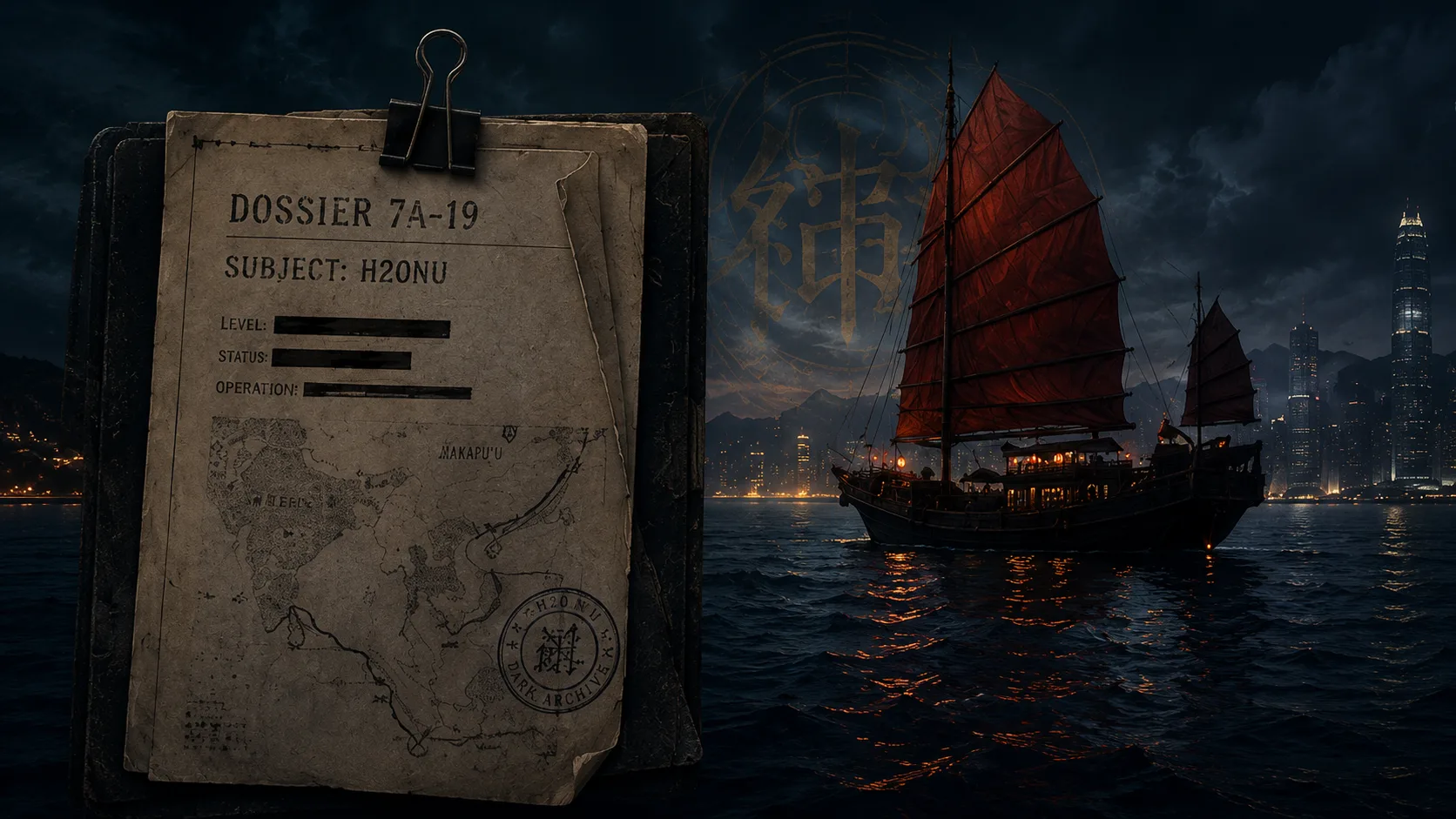
China knows what H2ONU means.
So does everyone trying to take it.
Above Waikīkī, Tian Hung steps backward off the roof of Century Center and disappears down the glass. For three years he has lived on Oʻahu as a ghost. Now he has been activated: recover H2ONU before America understands what it has lost.
But Tian is not the only one moving. Intelligence services want the machine. Old energy wants it buried. Men who speak the language of security and national interest are already deciding who gets to own the future.
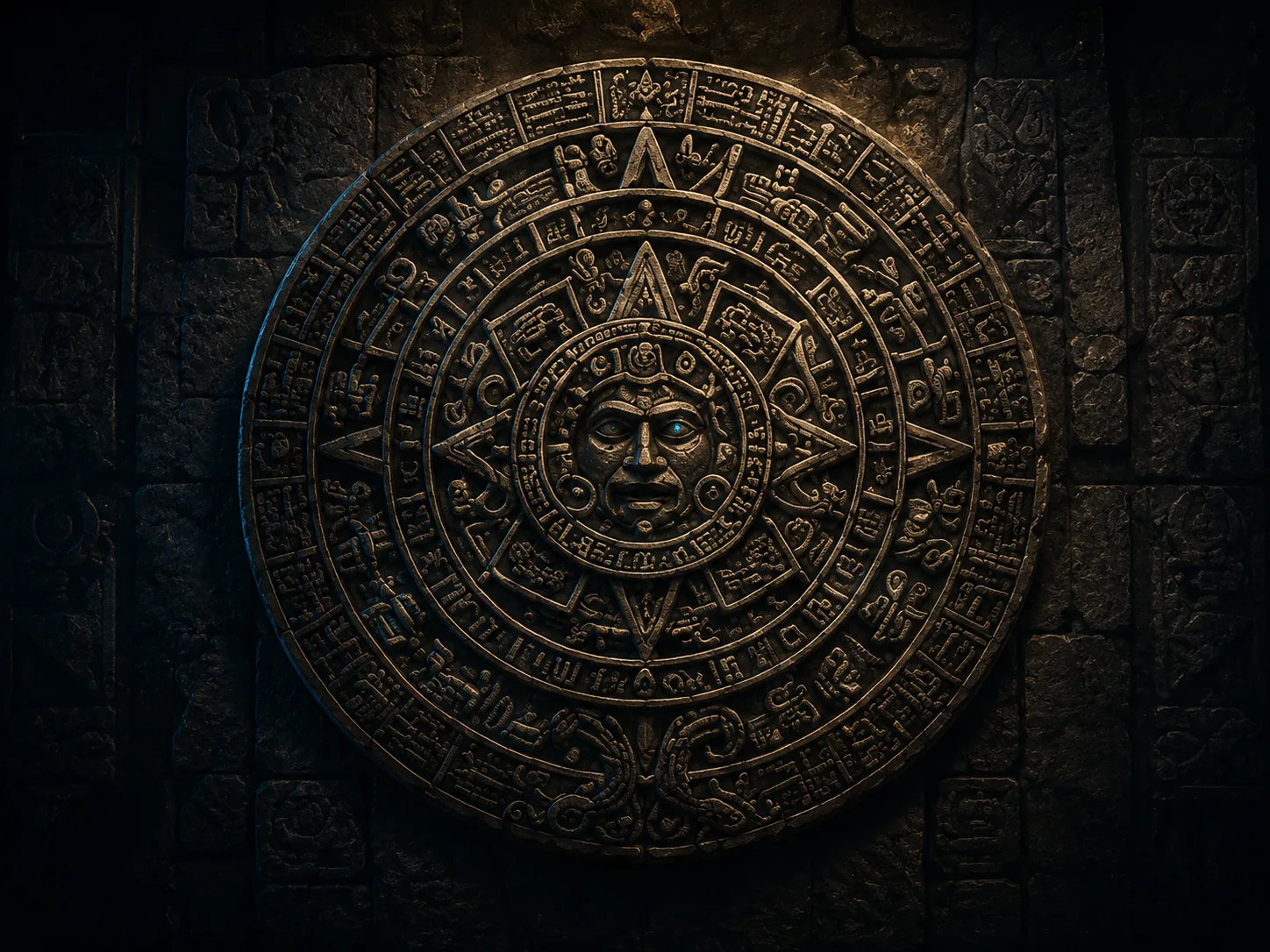
2012 was not the end of the world.
It was the warning no one understood.
The terror of H2ONU is not only that it works. It is that it may be arriving on a schedule older than anyone understands. The ancients left fragments: a stone, a glyph, a calendar, a star map, a warning carried across oceans and centuries.
Hopi. Mayan. Hawaiian. Mesopotamian. Different peoples, different skies, the same dread — that one day humanity would be handed a choice powerful enough to reveal what it really is.
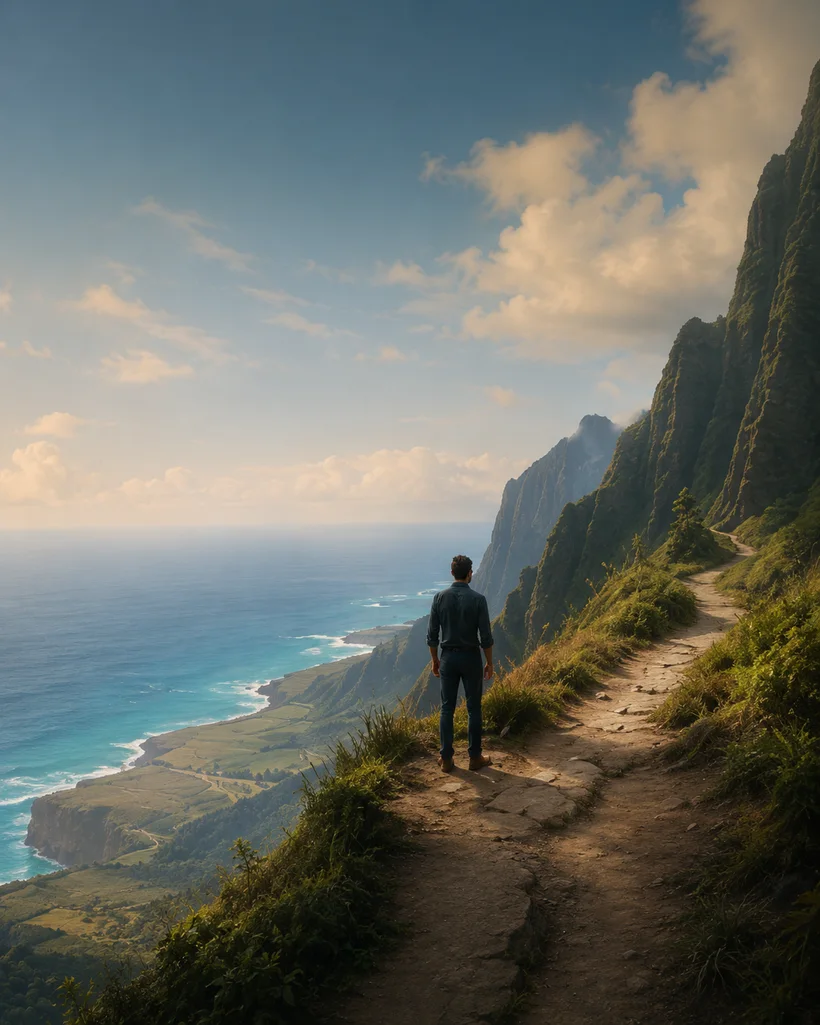
Everyone believes
they are saving the world.
That is the problem. H2ONU does not divide neatly into heroes and villains, because civilization keeps refusing to behave like a children’s menu.
Five voices, one pattern: the pattern-seeker, the living present, the seeker of truth, the inventor, the strategist, and the operative — each certain the future belongs to them.
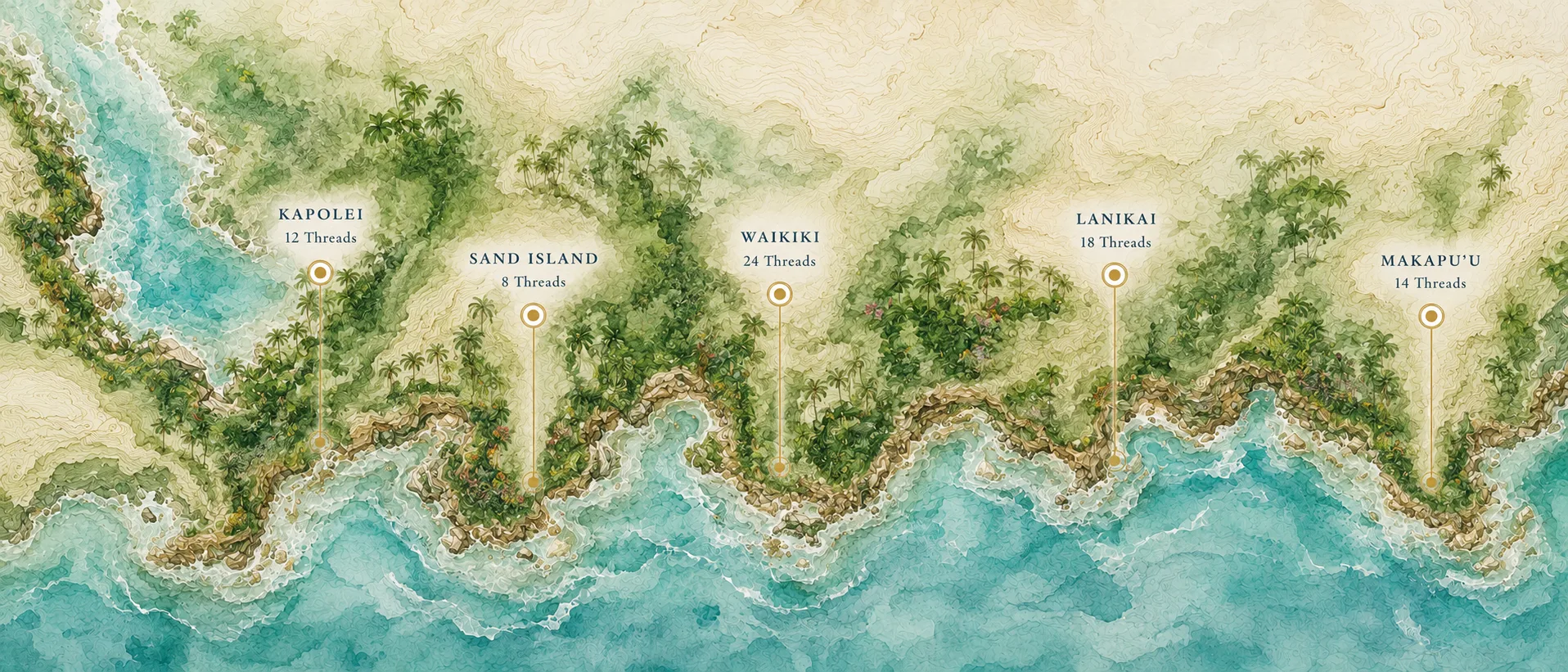
Hawaiʻi is not the backdrop.
It is the trapdoor.
These places are not scenery. They are coordinates. Every road matters. Every shoreline matters. Every piece of water is part of the machine.
Lanikai, the remembered life. Kapolei, the lock. Waikīkī, the camouflage. Makai Pier, the point of no return — beyond it waits the Pacific, black and patient.
Nothing is accidental.
A curl repeats. A phrase returns. A date surfaces. A symbol appears once, then again, then again, until coincidence becomes cowardice.
H2ONU does not give the reader a puzzle outside the story. The story is the puzzle. Read it once for what happens. Read it again for what was happening all along.
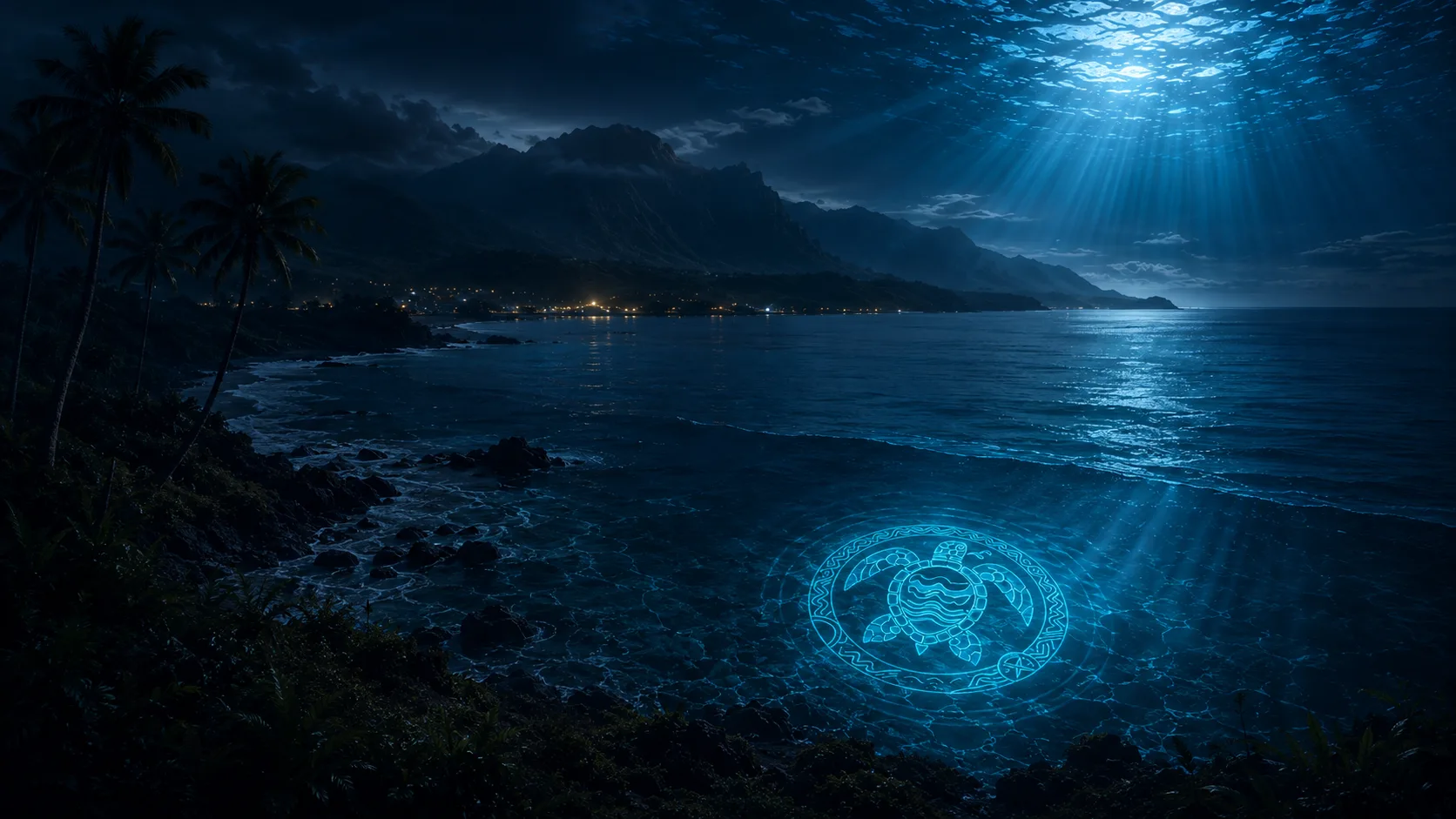
This story was built
to be held.
H2ONU unfolds across 752 full-color pages, 80 chapters, and five interlocking voices. Every chapter enters through art — the images are not decoration, they are thresholds.