We use cookies for analytics and to measure ad performance. You can accept or decline. Cookie Policy.

The Fall
Ray’s fall from grace was not a collapse. It was a construction.
In the aftermath of September 11, discipline became structure. Distance became instinct. Ray rebuilt himself around a single belief: needing no one was the same thing as becoming whole.
From the outside, it looked like strength.
He survived the loss.
The wall kept out the pain.
The pattern waited outside.
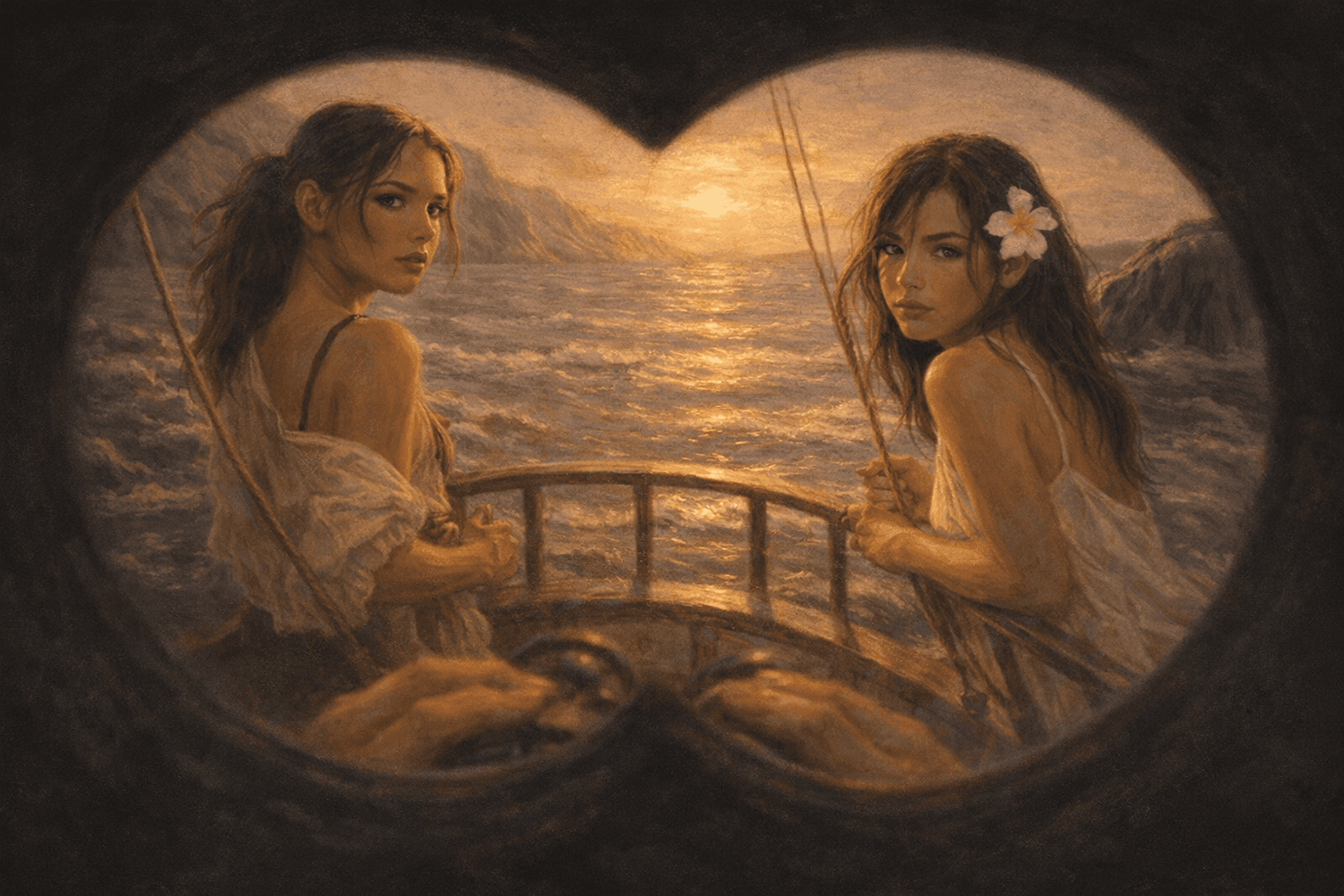
Until she looked up.
The System
Every system protects the condition that allows it to survive. Nations protect access. Markets protect scarcity. People protect the scars that taught them how not to break.
Ray’s system didn’t keep life out. It filtered life before it could reach him. Feeling became analysis. Need became distance. Anything capable of changing him remained outside until it could be understood, contained, or dismissed.
It wasn’t a weakness in the structure.
It was the structure.
For years, it worked exactly as designed.
Then the system encountered an unknown variable.
Civilization protects scarcity.
Ray protects distance.
The Discovery
At the center of H2ONU is a possibility: the world transformed by what had always been there. But the deeper discovery is not technological.
It is human.
The first impossible thing Ray encounters isn’t the machine. It’s a future he had trained himself not to want.
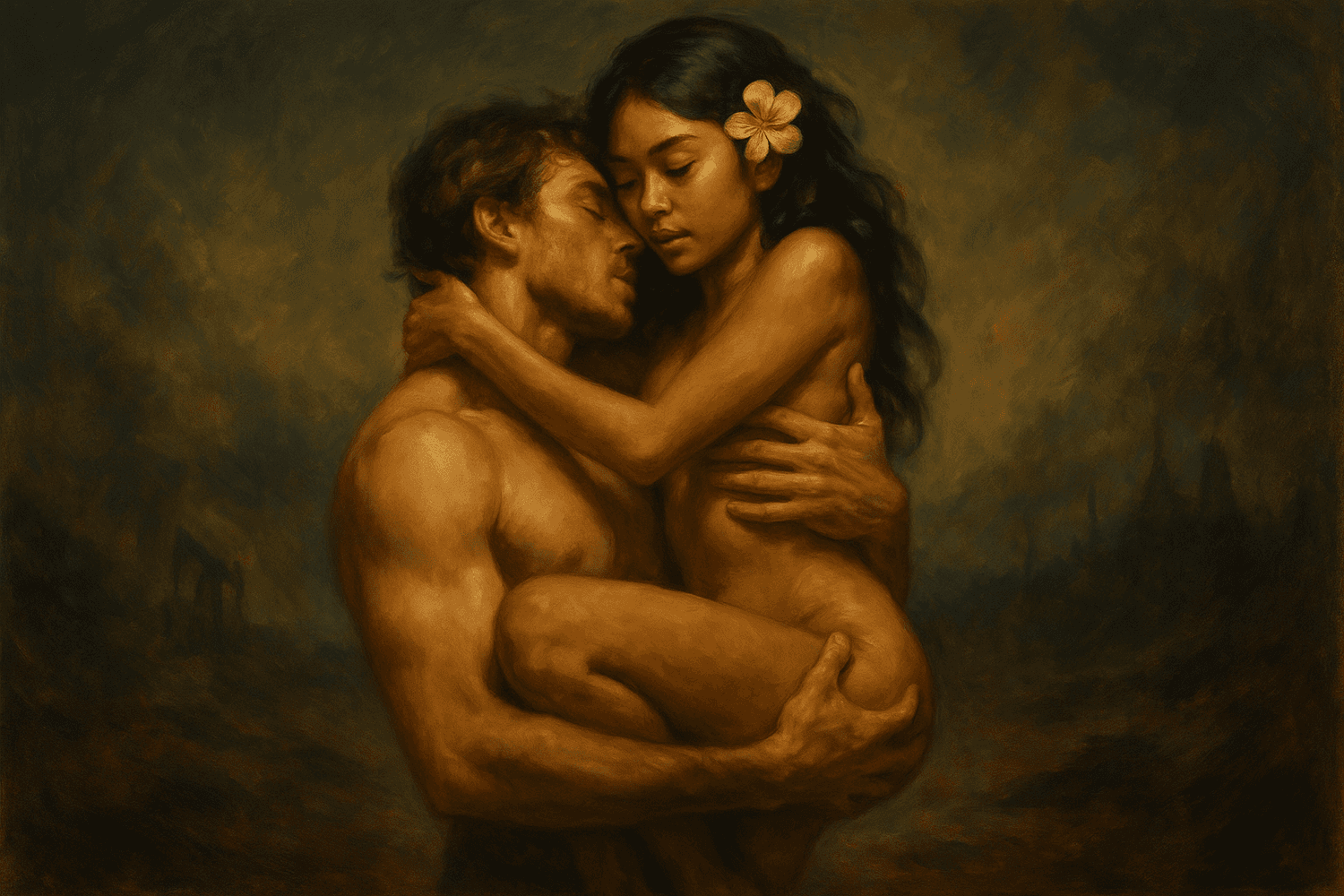
Malia doesn’t arrive as an argument. She arrives as recognition. She doesn’t break through his system. She simply exists beyond its assumptions—unplanned, uncontained, unpredictable and impossible to dismiss.
Ray calls it attraction because attraction can be managed.
The system has already registered what he refuses to name.
H2ONU changed what the world believed possible.
She changed what he believed possible.
The Pattern
H2ONU is built on recurrences: warnings ignored, consequences deferred, systems repeating the conditions that sustain them until collapse feels inevitable.
Ray carries a sequence of his own.
Its consequences arrive late enough for him to mistake self-sabotage for surprise.
Love becomes purpose.
Loss becomes fear.
Fear becomes distance.
Distance becomes control.
He calls the structure wisdom because that’s kinder than calling it damage.
Each step feels different while he’s inside it. From far enough away, it’s the same pattern.
But this fall is different.
For the first time, recognition arrives before the ending.
Is what repeats fate?
Or is it consequence?
The Choice
At the ocean floor, the question beneath the story becomes unavoidable:
Can a pattern, once recognized, still be interrupted?
For every action…
The environmental warning and the private wound share the same architecture.
What is neglected returns.
Pressure builds. Cracks widen.
Friction bites. Tides swell. Tinder catches.
Heat. Frustration. Tempest.
Recognition alone changes nothing. A civilization can see the damage and continue producing it. A man can see the pattern and continue obeying it.
Ray’s fall from grace is not that he loved too much. It is that pain taught him to mistake control for safety.
He cannot change what shaped him.
He can only decide whether it will govern what comes next.
Grace is not innocence recovered.
It is presence.
It is the willingness to remain
when every nerve and instinct says retreat.
The current can carry a life to its reckoning. It cannot determine what that life becomes.
Recognition is not freedom.
It is the moment freedom becomes possible.
The pattern brought him here.
It did not choose for him.
What you just descended through was built to lead here.
A love story wrapped inside a thriller wrapped inside a warning.
Eight years · 80 chapters · 752 full-color pages
The site is the descent. The book is the artifact. The hardcover contains the complete story.
...Not ready to surface?
You descended the whole way.
Most turn back before the floor.
You didn’t.
The signal noticed.
The transmission is still open.
Stay in the current.
It will keep speaking to you.